The Zero-Turn Riding Mower Market: Maneuvering Towards Efficiency and Electrification

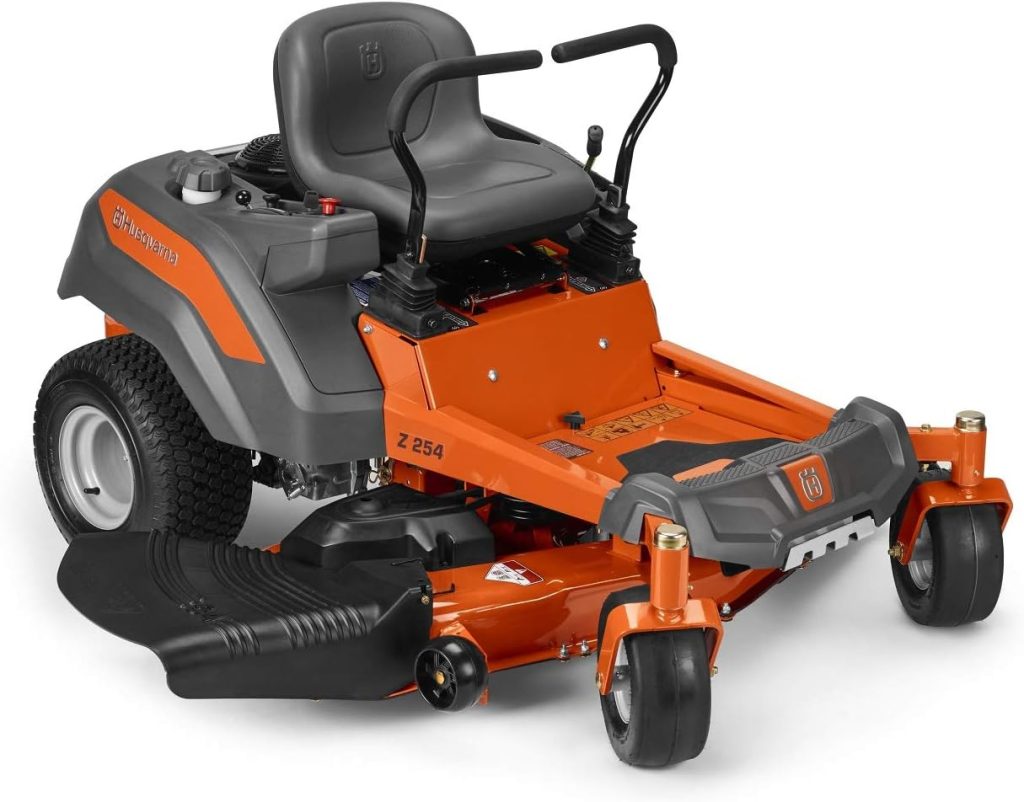
The Zero-Turn Riding Mower (ZTR) Market is a dynamic segment of the global outdoor power equipment industry, experiencing robust growth driven by the demand for highly efficient, time-saving, and precise lawn maintenance solutions. ZTRs, characterized by their unique ability to pivot 180 degrees on their axis, virtually eliminating uncut grass circles and drastically reducing mowing time, have cemented their status as indispensable tools for commercial landscapers and homeowners with large properties.
Market Valuation and Growth Trajectory
The global ZTR market is a multi-billion dollar sector poised for consistent expansion. The market size, valued at approximately USD 3.56 to 4.71 billion in 2024, is projected to reach between USD 5.77 billion and USD 11.16 billion by 2030-2035, depending on the source, growing at an impressive Compound Annual Growth Rate (CAGR) ranging from 6.1% to over 15.29% during the forecast period. The high end of the forecast is largely driven by the accelerating adoption of premium, technology-integrated models and the rapid growth in commercial landscaping services.
North America remains the dominant market, holding the largest revenue share (over 37%), a trend fueled by the established lawn care culture, large average lawn sizes, and a high number of golf courses and commercial properties. However, the Asia-Pacific region is emerging as the fastest-growing market, driven by rapid urbanization, infrastructure development, and a growing emphasis on green spaces, particularly in countries like China and India.
Key Market Segmentation and Insights
The ZTR market is segmented across several critical dimensions, highlighting the diversity of the product offerings and end-user requirements.
1. By Application: Commercial Dominance and Residential Acceleration
-
Commercial Segment: This segment currently holds the largest market share (around 60%), a dominance driven by the increasing outsourcing of grounds maintenance to professional landscaping contractors, municipalities, and facility management firms. Commercial users prioritize productivity, durability, and a lower total cost of ownership (TCO) over the lifetime of the machine, favoring heavy-duty, high-horsepower models.
-
Residential Segment: Projected to witness the fastest growth, the residential segment is driven by rising disposable incomes, an increased interest in aesthetic landscaping, and the desire of homeowners with large properties (typically over an acre) to achieve professional-grade results in less time. Increased availability of consumer-friendly, mid-range ZTRs and financing options are making them more accessible to the average homeowner.
2. By Cutting Width: The Versatile Middle Ground
-
50 to 60 Inches: This segment consistently holds the largest market share (often over 50%), as it provides the optimal balance of efficiency and versatility. Mowers in this range are ideal for both large residential properties and light commercial applications, offering high-speed coverage while maintaining maneuverability for navigating obstacles.
-
More Than 60 Inches: This category is set for substantial growth and is the preferred choice for large-scale operations, such as golf courses, sports fields, and massive estates, where speed and efficiency are paramount.
Major Market Drivers and Growth Catalysts
The ZTR market’s momentum is sustained by a convergence of technological, economic, and cultural factors:
-
Rising Demand for Operational Efficiency: The fundamental driver is the ZTR’s ability to significantly reduce mowing time (often by 30-50%) compared to traditional lawn tractors. For commercial contractors facing labor shortages and rising service costs, this time-saving feature directly translates into higher profitability and the ability to take on more jobs.
-
Technological Shift to Electric (Battery-Powered) Mowers: Stricter environmental regulations, particularly regarding small off-road gas engines (e.g., California’s 2024 gas-engine ban), are accelerating the transition to Electric Zero-Turn Mowers (eZTRs). Improvements in lithium-ion battery technology—offering longer runtimes, quicker charging, and comparable power—are making eZTRs a viable, quiet, and eco-friendly alternative, appealing strongly to both municipalities and eco-conscious homeowners.
-
Integration of Smart Technology and Automation: The market is evolving beyond mechanical efficiency. The integration of GPS-guided systems, smartphone connectivity for remote diagnostics and monitoring, and the emergence of autonomous/robotic ZTR fleets are creating a new performance tier. These technologies reduce operator fatigue and offer unparalleled cutting precision.
-
Increasing Landscaping and Homeownership Trends: A global rise in homeownership, coupled with an increased focus on the aesthetic value of outdoor spaces, fuels the demand for high-performance equipment to maintain large, well-manicured lawns.

Key Market Challenges and Restraints
Despite the strong growth outlook, the market faces inherent challenges:
-
High Initial Investment: ZTRs, especially commercial-grade and electric models, command a significantly higher upfront price compared to traditional riding and push mowers. This high initial cost, ranging from USD 3,000 to over USD 15,000, acts as a major barrier to adoption for budget-conscious consumers and small landscaping firms.
-
Performance on Slopes and Difficult Terrain: Conventional ZTR designs are often criticized for their stability and traction issues on steep slopes or wet, uneven ground due to their weight distribution and high center of gravity. This limits their application in certain terrains, requiring specific, often more expensive, tracked or specialty models.
-
Fluctuating Raw Material Costs: The manufacturing process relies heavily on materials like steel, aluminum, and rubber. Volatility in the prices of these raw materials, often linked to global supply chain disruptions, directly impacts production costs and profit margins for manufacturers.
-
Technical Complexity and Maintenance: The dual-hydrostatic drive system requires specialized maintenance, and the lack of a traditional brake pedal requires a learning curve for new operators, posing a minor hurdle in quick adoption.
Competitive Landscape and Strategic Developments
The ZTR market is highly competitive and fragmented, featuring both global giants and specialized manufacturers. Key players include Deere & Company, The Toro Company, Husqvarna Group, Kubota Corporation, and MTD Products Inc. (now part of Stanley Black & Decker).
The competitive strategy is centered around product innovation, particularly in the electric and autonomous space.
-
Strategic Focus: Companies are investing heavily in R&D to enhance battery life, develop sophisticated autonomous mowing software, and improve operator comfort through ergonomic designs and advanced suspension systems.
-
Recent Developments: Companies are frequently launching new electric models (e.g., Kubota’s Ze-421 z-t mower) and entering strategic partnerships to integrate robotic and AI capabilities into their core product lines, signalling a clear commitment to the future of autonomous lawn care.
In conclusion, the Zero-Turn Riding Mower market is undergoing a significant evolution, moving from a specialized tool for professionals to a mainstream, high-efficiency solution for property owners globally. While the initial investment remains a restraint, the powerful drivers of efficiency gains, environmental regulations, and technological advancements—especially in electrification and automation—ensure a robust and dynamic future for this sector of the outdoor power equipment industry.
Would you be interested in a deeper dive into the Electric Zero-Turn Mower (eZTR) segment and its technological advantages over traditional gas models?
Other Report Zion Market Research:
https://www.zionmarketresearch.com/de/report/solar-wind-hybrid-systems-market
https://www.zionmarketresearch.com/de/report/functional-food-ingredients-market
https://www.zionmarketresearch.com/de/report/intraoperative-imaging-market
https://www.zionmarketresearch.com/de/report/digital-adoption-platform-market
https://www.zionmarketresearch.com/de/report/condiments-market-size
